The Attention Engine Economy 2026
Why attention is now the real currency, how it gets priced, and what builders and brands must do next
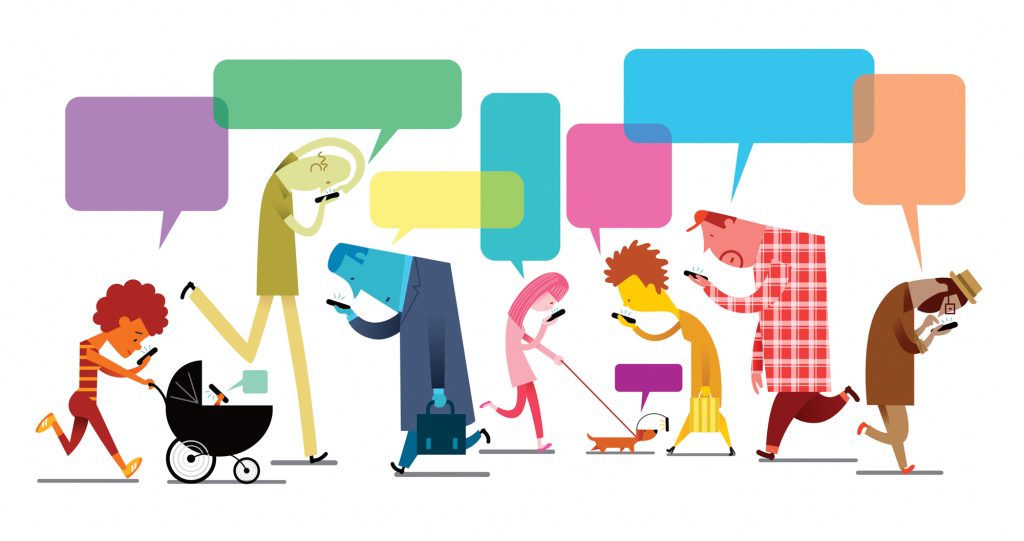
In 2026, attention is no longer a metaphor. It is no longer a buzzword. It is no longer an abstract marketing concept.
Attention is now an economic input.
It is measured, traded, optimized, automated, insured, bundled, priced, and increasingly controlled by machines. Entire companies are built around capturing it. Entire industries depend on reallocating it. Entire fortunes are made by those who understand how to compound it.
This is the Attention Engine Economy.
The internet did not just create new channels for communication. It created a new economic system where content supply is infinite, distribution is algorithmic, and demand is constrained by a single, non-negotiable limit: human time.
By 2026, the winners are no longer those who simply create content. The winners are those who build attention engines — systems that reliably turn attention into repeat engagement, intent, and revenue.
Attention is scarce, content is infinite
Every minute, millions of videos, posts, images, threads, podcasts, newsletters, and AI-generated assets are published online. The cost of producing content has collapsed to near zero.
Anyone can create. Everyone does.
But attention has not increased.
The average human still has 24 hours in a day. Social platforms alone consume more than two hours of that time daily for billions of people. Streaming platforms, messaging apps, games, and work tools compete for what remains.
This creates a permanent structural imbalance:
-
Infinite content supply
-
Fixed attention demand
When supply explodes and demand remains fixed, selection becomes everything.
This is why algorithms sit at the center of the modern internet. They are no longer neutral recommendation tools. They are pricing engines for attention.
The trillion-dollar attention market
By 2026, global advertising spend crosses the one-trillion-dollar mark. This milestone confirms a deeper reality: attention has become one of the largest coordinated markets in human history.
But advertising no longer looks like it did five years ago.
Budgets are moving away from:
-
static placements
-
negotiated media buys
-
broad demographic targeting
And toward:
-
algorithmic distribution
-
performance-priced attention
-
creator-led trust channels
-
commerce-linked media
Retail media, social commerce, newsletters, communities, and creator partnerships now sit alongside search and social ads as core budget lines.
Global ad spend trajectory (illustrative)
| Year | Estimated Global Ad Spend | Primary Growth Drivers |
|---|---|---|
| 2022 | $870B | Social, Search, Video |
| 2024 | $1.05T | Retail Media, Creator Ads |
| 2026 | $1.2T+ | AI Distribution, Commerce Media |
What matters is not the exact number. What matters is direction.
Money is flowing toward measurable attention outcomes, not just impressions.
Algorithms now set the price of attention
In the Attention Engine Economy, distribution is no longer negotiated. It is computed.
Algorithms decide:
-
what appears in feeds
-
who sees it
-
how often it is shown
-
whether it deserves free reach
-
when paid spend is required
This creates a brutal but clarifying reality.
Reach is no longer owned. It is rented.
Even accounts with millions of followers can lose visibility overnight if they fail to satisfy algorithmic preferences around retention, completion, and interaction quality.
In 2026, what matters is not how many people see your content, but how long they stay with it.
From clicks to minutes: the new attention metric
The old internet optimized for clicks.
The 2026 internet optimizes for time spent.
Platforms increasingly prioritize:
-
watch time
-
completion rate
-
saves
-
shares
-
comments
-
repeat visits
This shift forces creators and brands to focus on depth, not just reach.
Attention format performance in 2026
| Format | Strength | Best Outcome |
|---|---|---|
| Short-form video | Fast discovery | Awareness |
| Long-form video / podcasts | Deep engagement | Trust & conversion |
| Communities & forums | Repeat visits | Retention & SEO |
| Newsletters | Direct reach | Monetization |
The strongest attention engines do not rely on one format. They connect multiple formats into a loop.
Creators become infrastructure
By 2026, creators are no longer just individuals posting content. They function as:
-
media channels
-
production studios
-
trust layers
-
conversion funnels
Platforms openly position creators as the new studios of the internet. Brands increasingly treat creators not as influencers, but as distribution infrastructure.
The reason is simple.
Creators can earn attention organically.
Brands usually have to buy it.
This makes creators the most efficient nodes in the attention economy.
The African and Nigerian attention reality
In Nigeria and across Africa, the attention economy behaves differently.
Consumption is:
-
mobile-first
-
community-driven
-
trust-sensitive
-
highly conversational
Nigeria now has over 100 million internet users, with tens of millions active on social platforms and messaging apps. But unlike many Western markets, discussion-driven platforms still play an outsized role in discovery and opinion formation.
People debate. They ask questions. They return to conversations.
This behavior makes forums, topic hubs, and structured discussions unusually powerful.
Why attention engines beat campaigns
Campaigns spike attention temporarily. Engines compound it.
An attention engine is a system that produces:
-
Discovery
-
Retention
-
Conversion
-
Compounding value
Most brands focus only on discovery. That is the most expensive part.
Retention is cheaper. Compounding is where the real leverage lives.
The attention engine lifecycle
Create → Distribute → Capture → Retain → Convert → Repeat
Social platforms handle discovery
Communities handle retention
Capture layers handle ownership
Monetization layers handle revenue
If your strategy does not repeat, it is not an engine. It is a treadmill.
Where Feedcover fits in the Attention Engine Economy
This is where platforms like Feedcover become strategically important.
Social platforms are excellent at harvesting attention.
They are terrible at preserving it.
Feedcover operates differently.
It turns attention into:
-
structured discussions
-
topic-based discovery
-
searchable content
-
repeat community visits
Instead of content disappearing after 24 hours, discussions resurface through search, sharing, and ongoing participation.
Explore Feedcover directly here:
https://feedcover.com
Browse topic-driven communities here:
https://feedcover.com/categories
Explore focused hubs:
-
Marketing: https://feedcover.com/tag/marketing
-
Startups: https://feedcover.com/tag/startups
-
Business: https://feedcover.com/tag/business
Feedcover functions as a compounding attention layer, not a disposable feed.
Attention monetization stack (how it evolved)
2020–2022
Ads + basic influencer deals
2023–2024
Ads + subscriptions + affiliate + brand content
2025
Ads + retail media + social commerce + AI content operations
2026
Ads + retail media + commerce media + automated creator buying
Attention is no longer monetized in one place. It flows across systems.
Risks in the 2026 attention economy
The biggest risks are structural.
AI content inflation lowers average quality.
Platform volatility can erase reach overnight.
Measurement pressure forces brands to demand proof, not promises.
The only durable defense is ownership:
-
owned audiences
-
community layers
-
searchable archives
-
repeat engagement systems
The rise of the attention operator
In 2026, the most valuable skill is not content creation.
It is attention operation.
Attention operators understand:
-
formats
-
algorithms
-
retention mechanics
-
conversion paths
-
compounding systems
They do not ask “what should we post today?”
They ask “what engine are we building?”
Final thought: engines win, campaigns fade
Campaigns end.
Posts expire.
Engines compound.
The Attention Engine Economy rewards those who think in systems, not stunts.
Attention is the currency.
Engines are the banks.
And those who build them early will control the flow.