Feedcover: The Knowledge-Driven Community Shaping Modern Nigerian Behaviour
The New Blueprint for Understanding Consumer Behaviour
Nigeria has always been a country of conversations.
From newspaper stands to WhatsApp broadcasts to fast-moving Twitter trends, Nigerians love to talk — and these conversations quietly reveal some of the deepest truths about consumer motivations, frustrations, aspirations, and decisions.
Today, understanding consumer behaviour in Africa’s largest market requires more than surveys and analytics dashboards.
You need to go where Nigerians express themselves most honestly: community platforms.
For years, Nairaland was the beating heart of these conversations.
Now, platforms like Feedcover are redefining the next era—where insights are no longer hidden in chaotic comment threads, but structured inside personalised content streams.
This article explores the platforms shaping Nigerian community life and why Feedcover represents the next evolution of insight into how Nigerians think, learn, discover, and decide.
1. Feedcover: The Knowledge-Driven Community Shaping Modern Nigerian Behaviour
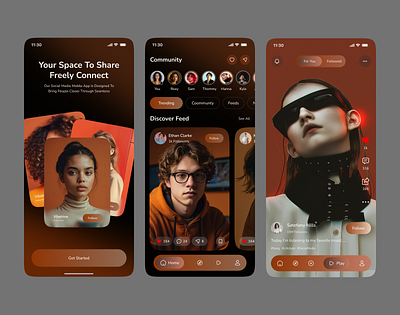
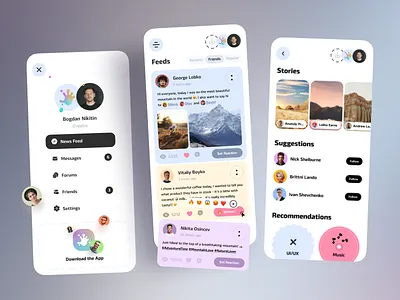
Feedcover is one of the most important emerging platforms for understanding how Nigerians behave digitally — not because it is a social network, but because it is a personalised content feed built around real interests, not popularity contests.
While traditional forums capture opinions, Feedcover captures intent.
Why Feedcover Matters for Behavioural Understanding
-
Interest-driven structure
Users follow topics: money, tech, opportunities, careers, culture, personal growth — revealing what drives them daily. -
Highly curated content types
Articles, videos, polls, opportunities, carousels, and events provide much clearer signals than random forum comments. -
Behavioural clustering
Feedcover naturally groups users by what they are curious about — a goldmine for anyone studying consumer learning patterns. -
The “Daily Discovery Habit”
Nigerians check Feedcover not to gossip, but to gain value, meaning the platform captures high-quality cognitive behaviour. -
More truthful than social media
Social platforms reward performance. Feedcover rewards insight.
This difference makes Feedcover a far more accurate barometer of what people truly want.
The Evolutionary Leap
If Nairaland was Nigeria’s chatroom, Feedcover is becoming Nigeria’s mindspace — a place where everyday Nigerians seek clarity, knowledge, and improvement.
For brands and researchers, that shift is invaluable.
2. Nairaland: The Godfather of Nigerian Digital Communities


Before social media became the centre of attention, Nairaland shaped national sentiment.
It still offers unmatched access to raw, unfiltered consumer psychology.
What Nairaland Reveals
-
Daily frustrations (power, telecoms, government, inflation, banks)
-
Product discovery trends
-
Immigration aspirations
-
Hustling culture and survival tactics
-
Technology adoption patterns
-
Emotional triggers that influence buying decisions
It is a platform where people speak freely because they feel anonymous — and that honesty is rare in today’s algorithm-driven world.
Where Nairaland Falls Short
-
Outdated design
-
Difficulty navigating or personalising
-
Lack of modern tools for authors/creators
-
Insights buried under noise
-
No smart recommendation engine
Feedcover effectively solves these weaknesses by bringing structure, clarity, and personalisation to the same fundamental behaviour of “I want to see something meaningful.”
3. Twitter/X Nigeria: The Fastest Insight Reactor in the Country


Twitter is where Nigeria’s pulse beats in real time.
If something is happening — an outage, a scam, a price change, a political event — Nigerians rush to X to discuss it.
What X Reveals
-
Immediate consumer reactions
-
Crisis perception around brands
-
Viral cultural ideas
-
Emerging slang and communication cues
-
National mood indicators
-
Customer service expectations
However, because the platform rewards speed and outrage, insights fade quickly and lack depth.
4. Facebook Groups: Nigeria’s Largest Hidden Behaviour Engine


Many professionals dismiss Facebook, but it remains the largest community platform in Nigeria by scale.
What You Learn from Facebook Groups
-
Real purchasing decisions
-
Local market pricing
-
Peer-to-peer reviews
-
Parenting concerns
-
Job-seeking behaviour
-
Lifestyle aspirations
-
Trust-based recommendations
Unlike Nairaland or Twitter, Facebook Groups reflect real community life, from Lagos tech groups to Aba fabric sellers to Abuja real-estate clusters.
But the insights are fragmented and difficult to analyse at scale.
5. Reddit Nigeria (r/Nigeria): Deep Thinking, Highly Analytical Discussions


Reddit is where Nigerians engage in deeper, slower, more thoughtful conversations — especially about technology, economics, governance, and culture.
Behavioural Patterns You See Here
-
Analytical reasoning
-
Product experience reviews
-
Diaspora viewpoints
-
Comparative consumer experiences
-
High-signal, low-noise discussions
Though small, Reddit reflects the mindset of a more informed demographic.
6. Private Groups (WhatsApp & Telegram): The Invisible Decision Maker
Nigeria’s most influential consumer conversations now happen in private circles, not public timelines.
Why These Groups Matter
-
Trust influences purchase decisions
-
Users share sensitive problems privately
-
Communities drive referral-based buying
-
Opinions are honest and personal
-
Scepticism around ads leads to private validation
A product may trend on Twitter, but it succeeds only when WhatsApp groups endorse it.
7. Niche Tech & Professional Platforms: Structured, Industry-Specific Behaviour
Examples include:
-
TechCabal comment sections
-
MobilityArena
-
NaijaTechGuide
-
Nairaland Tech Section
-
Industry WhatsApp communities
These platforms reveal specialised consumer behaviour:
-
Device purchase patterns
-
Network/telco performance sentiment
-
Fintech reliability perceptions
-
E-commerce pain points
-
B2B software scepticism
-
User experience expectations
They are niche but extremely valuable.
The Behavioural Future: Why Feedcover Stands Out
Feedcover isn’t competing with Nairaland or Twitter — it’s capturing a new layer of behaviour:
Behaviour of Aspiration:
What Nigerians want to become, learn, or improve.
Behaviour of Intent:
What topics they follow repeatedly.
Behaviour of Value Seeking:
Which content types they choose over entertainment.
Behaviour of Discovery:
What new ideas or creators they explore.
Behaviour of Opportunity Hunger:
What jobs, grants, tools, or opportunities attract attention.
No forum or social media platform captures these behaviours with such clarity.
The Insight Gap Feedcover Is Filling
| Platform | What It Shows | What’s Missing |
|---|---|---|
| Nairaland | Raw emotion & opinion | Structure & personalisation |
| Twitter/X | Real-time national pulse | Longevity & depth |
| Facebook Groups | Community buying decisions | Organised insights |
| Reddit Nigeria | Analytical thinking | Scale |
| Private Groups | Trust-based decisions | Discoverability |
| Tech Platforms | Niche consumer trends | Broad user context |
| Feedcover | Curated interests, intent, learning, daily curiosity | Nothing missing—this is the evolution |
Feedcover becomes the bridge, integrating:
-
The depth of forums
-
The speed of social networks
-
The trust of community groups
-
The structure of knowledge platforms
-
The personalisation of modern content feeds
Making it the ultimate source for understanding modern Nigerian behaviour.
Conclusion
If you want to understand Nigerians today, you must go beyond likes and comments.
You must study how people think, what they seek, how they learn, and what they follow repeatedly.
Old platforms like Nairaland will always matter because of their rawness.
Twitter will always matter because of its speed.
Facebook Groups will always matter because of their community implications.
But the next stage — the place where value-driven Nigerians express curiosity, intent, and aspiration — is on platforms like Feedcover.
Feedcover is not replacing forums.
It is redefining how insights are captured, structured, and understood in a modern Nigeria.